من أغلى المأكولات في العالم.. رحلة مع «بيض» السمكة النادرة
صورة 0 من 4
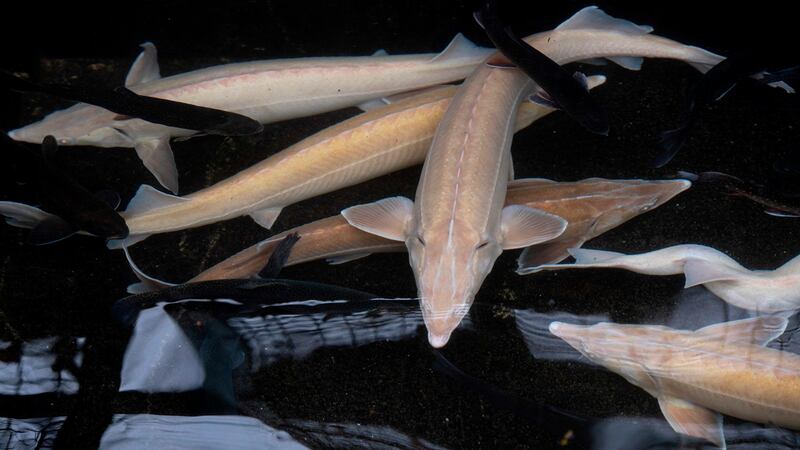
سيسس Rare 16 years old albino female sturgeons ,whose caviar at astronomical cost will soon be shipped around the world on New Year's Eve, are seen at Walter Gruell's fish farm in Groedig village near Salzburg, Austria, on December 15, 2020. - Deemed the most expensive food in the world, demand for caviar -- essentially salted roe -- has driven most sturgeon species to the brink of extinction in the wild, but farms like the one in the village of Groedig, close to Salzburg, offer a more sustainable alternative. (Photo by JOE KLAMAR / AFP) (JOE KLAMAR/AFP)
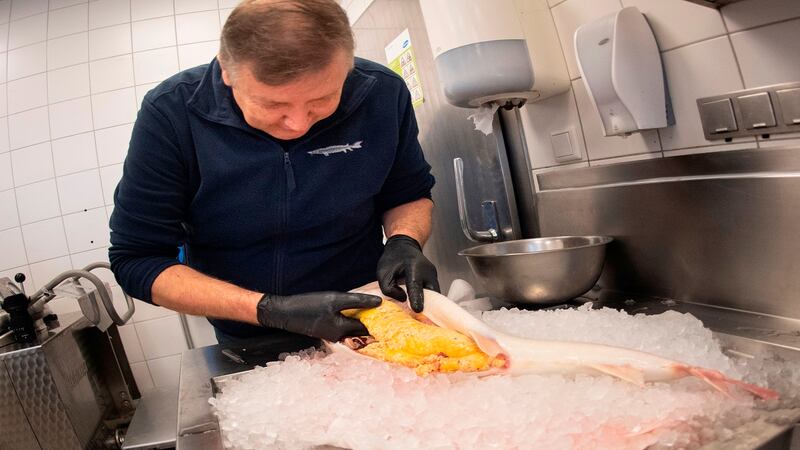
سيسبي Walter Gruell, fish farmer and fish delicacy store owner, cuts open a freshly caught 16 years old albino sturgeon before extracting 600 grams of caviar, ,worth 8 thousands euros, with a surprising cream color at his store in the village of Anif near Salzburg, Austria, on December 15, 2020. - Deemed the most expensive food in the world, demand for caviar -- essentially salted roe -- has driven most sturgeon species to the brink of extinction in the wild, but farms like the one in the village of Groedig, close to Salzburg, offer a more sustainable alternative. (Photo by JOE KLAMAR / AFP) (JOE KLAMAR/AFP)
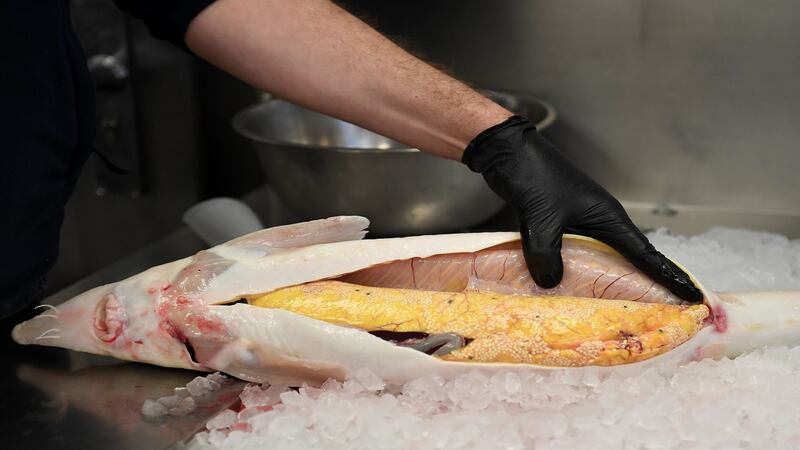
سبيبسبيبيب Walter Gruell, fish farmer and fish delicacy store owner, cuts open a freshly caught 16 years old albino sturgeon before extracting 600 grams of caviar, ,worth 8 thousands euros, with a surprising cream color at his store in the village of Anif near Salzburg, Austria, on December 15, 2020. - Deemed the most expensive food in the world, demand for caviar -- essentially salted roe -- has driven most sturgeon species to the brink of extinction in the wild, but farms like the one in the village of Groedig, close to Salzburg, offer a more sustainable alternative. (Photo by JOE KLAMAR / AFP) (JOE KLAMAR/AFP)
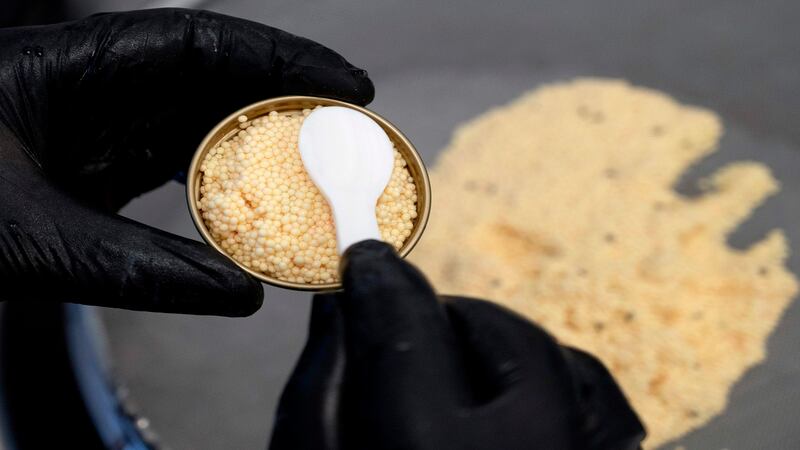
يبليبل Walter Gruell, fish farmer and fish delicacy store owner, packs 30gram box of freshly extracted 600 grams of caviar, worth 8 thousands euros with a surprising cream color, from a 16 years old albino sturgeon at his store in the village of Anif near Salzburg, Austria, on December 15, 2020. - Deemed the most expensive food in the world, demand for caviar -- essentially salted roe -- has driven most sturgeon species to the brink of extinction in the wild, but farms like the one in the village of Groedig, close to Salzburg, offer a more sustainable alternative. (Photo by JOE KLAMAR / AFP) (JOE KLAMAR/AFP)
وسط جبال الألب النمساوية، يعاين شتيفان أستنر سمكاً نادراً من نوعه يصدّر بأسعار خيالية إلى بلدان العالم ليقدّم على الموائد الفاخرة.
ويعمل أستنر في بلدة غروديغ بالقرب من سالزبورغ في النمسا حيث تُرّبى أسماك أنثى يكلّف بيضها غالياً جدّاً.
ويقوم مدير هذه المنشأة لتربية الأسماك فالتر غرول بشقّ جلد سمكة تبلغ من العمر 16 عاماً لاستخراج بيض فاتح اللون.
ويقول وهو يغسله: «البيض أكثر طراوة من الكافيار الأسود». وهذه الغلّة التي لا يتخطّى وزنها 600 غرام تكلّف 8000 يورو، وهو سعر أغلى بثلاث مرّات من الكافيار الأسود الذي يعدّ أصلاً من المأكولات الفاخرة.
ويؤكّد فالتر غرول أن «هذا البيض هو من أغلى المأكولات في العالم. ويشكّل 1% لا غير من إنتاجنا الإجمالي للكافيار».
وفي القاعة المجاورة، تحضّر ألكساندرا ابنة فالتر نحو 40 علبة «ستصدّر إلى ألمانيا وإيطاليا وإسبانيا»، بحسب ما تكشف الشابة مستعرضة قسائم الطلبيات.
وانعكست أزمة كوفيد-19 سلباً على الطلبيات نتيجة إغلاق المطاعم والفنادق الفخمة، غير أن مبيعات التجزئة ازدهرت في المقابل.
وتشكّل احتفالات رأس السنة نحو 40% من حجم الأعمال السنوي.
ويقول غرول الذي ظل هاتفه يرنّ من أجل الطلبيات، إن «الناس يريدون التلذّذ بالوقت الحاضر».
ويحجم مربّي الأسماك عن الكشف عن أسماء زبائنه الذين يعيش كثيرون منهم في آسيا وروسيا والشرق الأوسط، إذ إن التحفّظ هو أحد أسرار النجاح في المهنة.
واتّصلت به ماركة للسيّارات الفارهة وتلقّى عرضاً قبل مدّة من شركة خطوط جوّية ترغب في تقديم كافيار «صنع في النمسا» لزبائن درجة الامتياز.
وتربية سمك الحفش الأبيض أو الأسود التي تزدهر منذ ربع قرن في الصين وإيطاليا وفرنسا خصوصاً نتيجة حظر صيد هذه الأسماك، تجاري روح العصر باعتباراته البيئية، متيحة في الوقت عينه الحفاظ على النوع.
وقد يعيش هذا الصنف من الأسماك حتّى 120 عاماً وهو موجود منذ عصر الديناصورات، لكنّه بات على وشك الانقراض من موئله الطبيعي في روسيا وإيران.
وتهاوى الإنتاج العالمي لبيض سمك الحفش في المياه الطبيعية في الثمانينات، بسبب الصيد المفرط والتلوّث.
وثمة 30 إلى 40 مزرعة، بينها اثنتان أو ثلاث في النمسا، توفّر الكافيار الأبيض، بحسب الأكاديمي توماس فريدريش الذي ينسّق في فيينا برنامجاً لتعزيز تكاثر حفش الدانوب. وفي الماضي، عندما كانت سمكة مهقاء بالغة من نوع الحفش النادر الوجود تُصطاد في بحر قزوين، كان بيضها يقدّم حصراً لشاه إيران، حسب فريدريش.