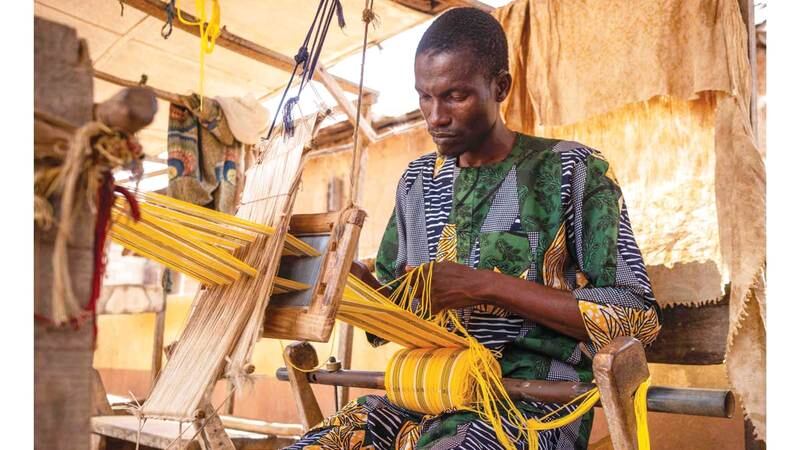
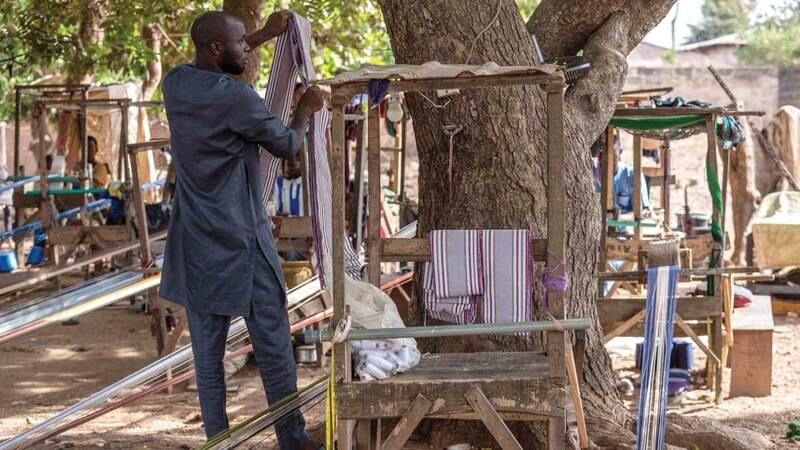
Kareem Adeola weaves aso-oke, a handwoven fabric indigenous to the Yoruba ethnic group, at Ajumose weaving workshop Oke Oja in Iseyin on March 17, 2026. Demand for the aso-oke fabric has recently soared at home and abroad, boosted by Nigerians in the diaspora and the rising global popularity of the country\'s fashion and music culture.
Yet the artisans making it are resisting mechanisation, insisting that handweaving is what makes it unique. (Photo by TOYIN ADEDOKUN / AFP) (TOYIN ADEDOKUN/AFP)
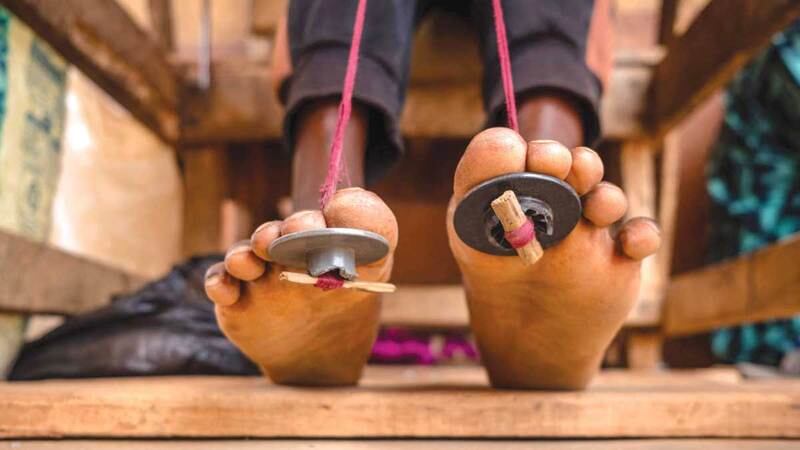
A man paddles a looming machine used in weaving aso-oke, a handwoven fabric indigenous to the Yoruba ethnic group, at Ajumose weaving workshop Oke Oja in Iseyin on March 17, 2026. Demand for the aso-oke fabric has recently soared at home and abroad, boosted by Nigerians in the diaspora and the rising global popularity of the country\'s fashion and music culture.
Yet the artisans making it are resisting mechanisation, insisting that handweaving is what makes it unique. (Photo by TOYIN ADEDOKUN / AFP) (TOYIN ADEDOKUN/AFP)
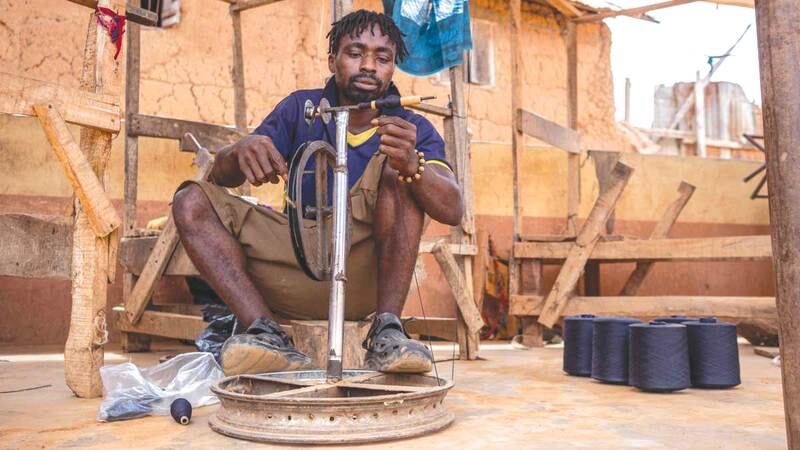
Waliu Fransisco tries to roll threads into tight bundle to weave aso-oke, a handwoven fabric indigenous to the Yoruba ethnic group, at Oke Oja workshop in Iseyin on March 17, 2026. Demand for the aso-oke fabric has recently soared at home and abroad, boosted by Nigerians in the diaspora and the rising global popularity of the country\'s fashion and music culture.
Yet the artisans making it are resisting mechanisation, insisting that handweaving is what makes it unique. (Photo by TOYIN ADEDOKUN / AFP) (TOYIN ADEDOKUN/AFP)
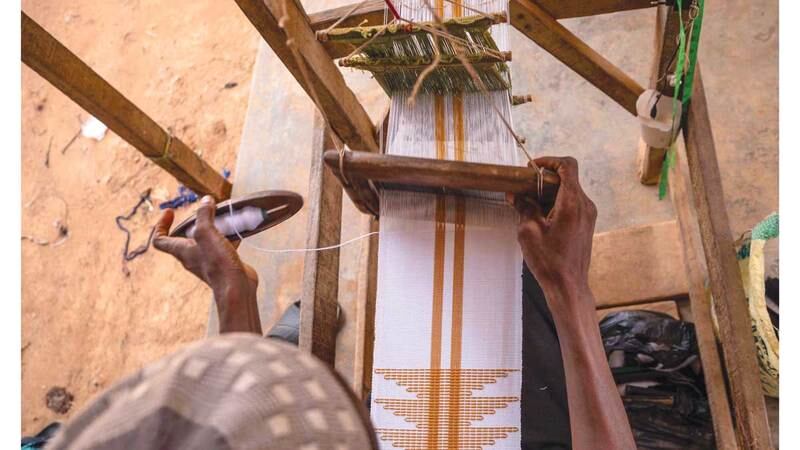
A man weaves aso-oke, a handwoven fabric indigenous to the Yoruba ethnic group, at Ajumose weaving workshop Oke Oja in Iseyin on March 17, 2026. Demand for the aso-oke fabric has recently soared at home and abroad, boosted by Nigerians in the diaspora and the rising global popularity of the country\'s fashion and music culture.
Yet the artisans making it are resisting mechanisation, insisting that handweaving is what makes it unique. (Photo by TOYIN ADEDOKUN / AFP) (TOYIN ADEDOKUN/AFP)
A man folds finished aso-oke, a handwoven fabric indigenous to the Yoruba ethnic group, at Oke Ola workshop in Iseyin on March 17, 2026. Demand for the aso-oke fabric has recently soared at home and abroad, boosted by Nigerians in the diaspora and the rising global popularity of the country\'s fashion and music culture.
Yet the artisans making it are resisting mechanisation, insisting that handweaving is what makes it unique. (Photo by TOYIN ADEDOKUN / AFP) (TOYIN ADEDOKUN/AFP)
في مدينة إيسيين النيجيرية يواصل الحرفيون الحفاظ على أحد أهم رموز التراث الثقافي لشعب اليوروبا، وهو قماش الأسو-أوكي المنسوج يدوياً، وداخل ورشة «أجوموسه»، في منطقة أوكي أوجا، يعمل النسّاج كريم أديوﻻ على إنتاج هذا النسيج التقليدي الذي يُعد جزءاً أصيلاً من الهوية الثقافية والاجتماعية في البلاد، ويُستخدم في المناسبات الاحتفالية والطقوس الاجتماعية.
وشهدت السنوات الأخيرة ارتفاعاً كبيراً في الطلب داخل نيجيريا وخارجها على قماش الأسو-أوكي ، مدفوعاً بزيادة اهتمام نيجيريي الشتات بالعودة إلى الجذور الثقافية، إلى جانب الانتشار العالمي المتصاعد للموضة والموسيقى النيجيرية التي أسهمت في تسليط الضوء على الأزياء التقليدية، وهذا الإقبال المتنامي أعاد إحياء صناعة كانت تعتمد سابقاً على الأسواق المحلية فقط، وفتح أمام الحرفيين فرصاً جديدة للتصدير والتوسع.