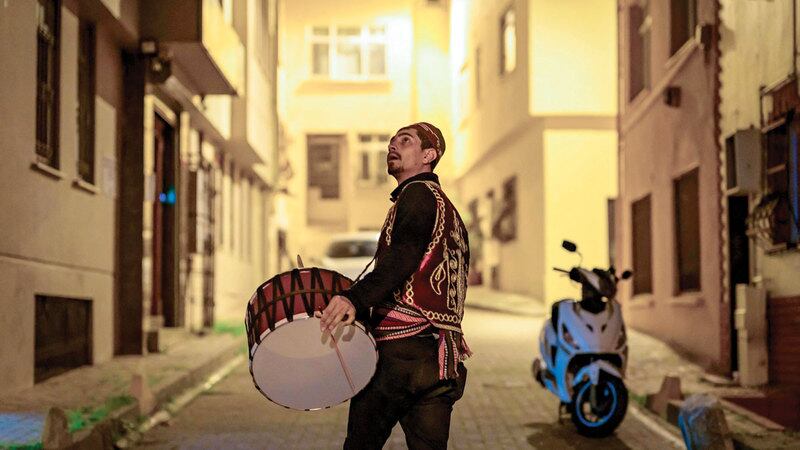
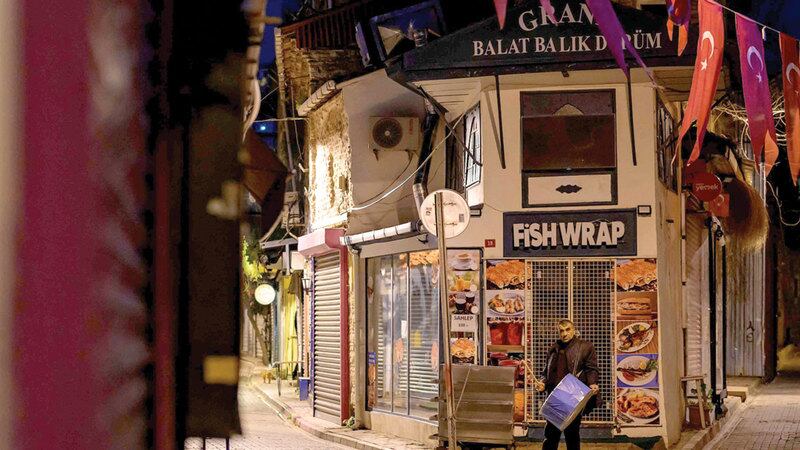
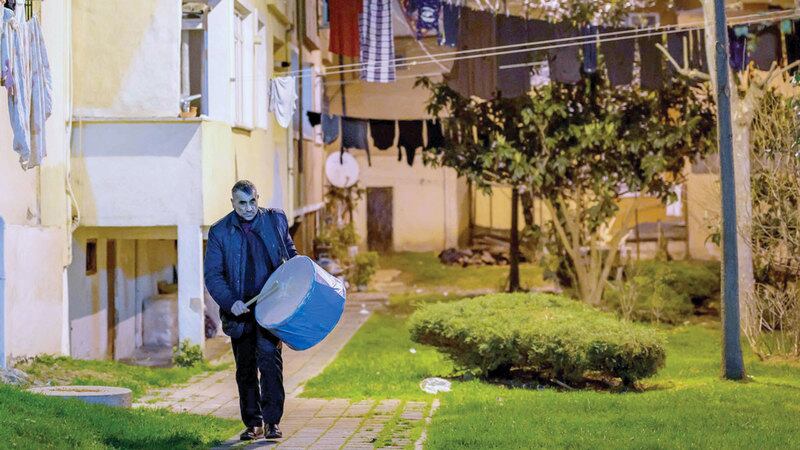
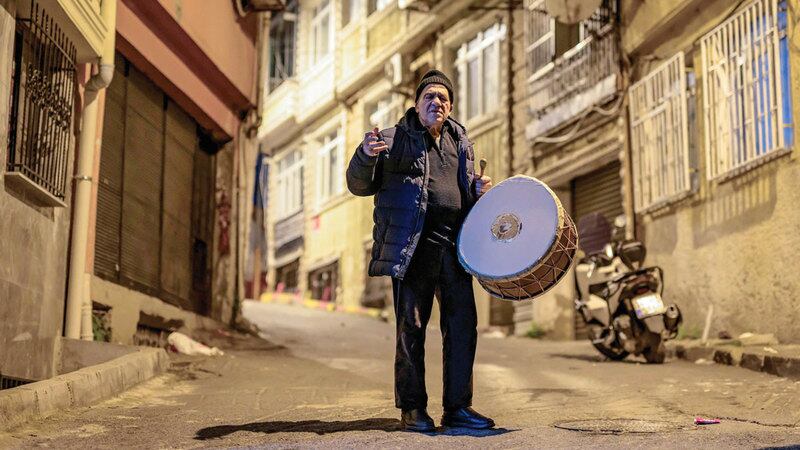
Turkish drummer plays drum and sings traditional songs in the streets of Istanbul, to wake Muslims up for the sahur, the Ramadan meal eaten at night, on February 24, 2026. The tradition began in the Fatih district near Istanbul\'s historic peninsula where most of today\'s Ramadan drummers are from Turkey\'s Roma community, who number around 2.7 million, Council of Europe figures show. (Photo by Yasin AKGUL / AFP) (YASIN AKGUL/AFP)
Turkish drummer plays drum and sings traditional songs in the streets of Istanbul, to wake Muslims up for the sahur, the Ramadan meal eaten at night, on February 24, 2026. The tradition began in the Fatih district near Istanbul\'s historic peninsula where most of today\'s Ramadan drummers are from Turkey\'s Roma community, who number around 2.7 million, Council of Europe figures show. (Photo by Yasin AKGUL / AFP) (YASIN AKGUL/AFP)
Turkish drummer plays drum and sings traditional songs in the streets of Istanbul, to wake Muslims up for the sahur, the Ramadan meal eaten at night, on February 24, 2026. The tradition began in the Fatih district near Istanbul\'s historic peninsula where most of today\'s Ramadan drummers are from Turkey\'s Roma community, who number around 2.7 million, Council of Europe figures show. (Photo by Yasin AKGUL / AFP) (YASIN AKGUL/AFP)
Turkish drummer Hakan Ozbingol plays drum and sings traditional songs in the streets of Istanbul, to wake Muslims up for the sahur, the Ramadan meal eaten at night, on February 24, 2026. The tradition began in the Fatih district near Istanbul\'s historic peninsula where most of today\'s Ramadan drummers are from Turkey\'s Roma community, who number around 2.7 million, Council of Europe figures show. (Photo by Yasin AKGUL / AFP) (YASIN AKGUL/AFP)
لا يكتمل المشهد الرمضاني سوى بدقات طبول «المسحراتي»، كما هو الحال هنا في شوارع وأزقة إسطنبول التركية، حيث تبرز هذه العادة التراثية الأصيلة، وينتظرها الصغار قبل الكبار في هذه المدينة العتيقة التي تنبعث روائح التاريخ من كل حجر فيها.
ولا يكتفي من يمارسون هذه المهنة في الشهر الفضيل بمجرد قرع طبولهم، إذ يؤدون أهازيج وأغانيَ تقليدية، ويرددون أدعية طيبة، خلال مهمتهم الرمضانية التي يسعون خلالها إلى إيقاظ المسلمين لتناول السحور، والاستمتاع بوجبة ساعة السحر.
وبدأ هذا التقليد في تركيا تحديداً في حي الفاتح قرب شبه جزيرة إسطنبول التاريخية، حيث ينتمي معظم المسحراتية وحاملو الطبول الرمضانية إلى مجتمع بعينه، ومنهم من يحافظ على ممارستها منذ عقود طويلة، ويتخطى الأمر مجرد كونها وظيفة في الشهر الكريم، بل التزام وتبرك ومحبة لهذه المهنة.